
Experiences in Milan
La Scala, Brera and the Navigli by day, aperitivo by night, and Lake Como about an hour away.
Destination
Milan
Date
Add dates
Milan: Tours & Experiences
19 experiences and tours


Mondo Milan Museum: Entry Ticket
2h
 From €20

Villa Necchi Campiglio: Entry Ticket
1h
From €18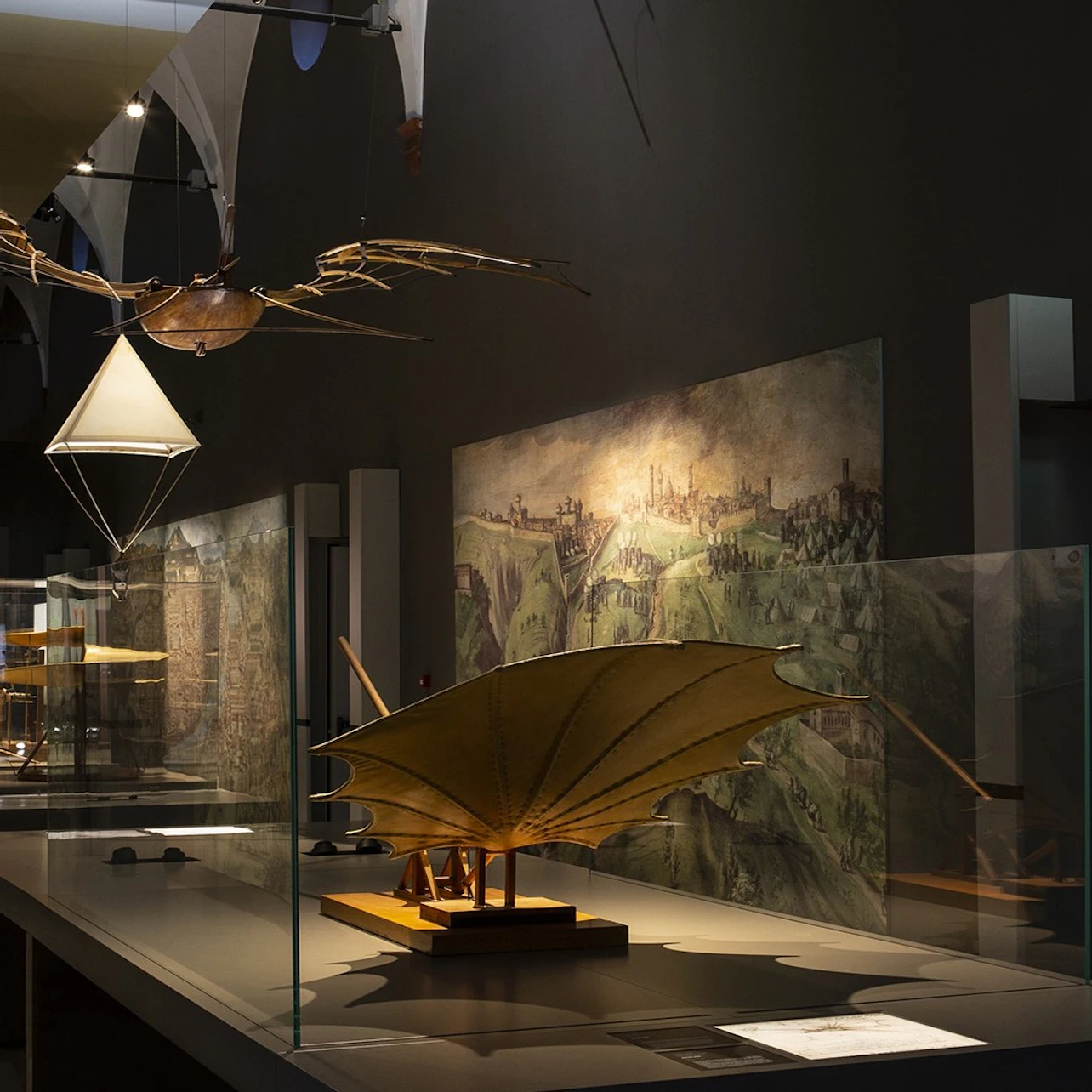
National Museum Science and Technology Leonardo da Vinci: Entry Ticket
From €13
Duomo di Milano: Fast Track Ticket + Rooftop Access
From €40
San Siro Stadium Tour: Reserved Entrance
From €39
Milan: Guided Walking Tour + The Last Supper Skip The Line Ticket
Free cancellation
From €99
Duomo di Milano & The Last Supper: Entry Ticket + Guided City Tour
6hFree cancellation
From €138
The Last Supper: Guided Tour
1hFree cancellation
From €109.65
Pinacoteca Ambrosiana + Cripta San Sepolcro
2h
From €21.50
Lake Como, Bellagio & Lugano: Guided Tour from Milan
10h 30mFree cancellation
From €68
Lake Como, Bellagio, and Lugano Switzerland Day Trip from Milan
10h 30mFree cancellation
From €68
The Last Supper: Skip The Line Ticket + Guided Tour
1h
From €95
Duomo di Milano: Guided Tour + Rooftop Access
2hFree cancellation
From €69
Duomo di Milano: Fast Track Rooftop Access
Free cancellation
From €35
The highlights of Milan & the Italian coffee culture
2hTip-based

Go shopping in Milan's fashion district like a local
2hPrivate option availableFree cancellation

Milan Street Food Tour: Taste Italy's Best Bites In Brera District
3hFree cancellation

Milan Coffee Walking Tour With Tastings And Tiramisù
2h 30mFree cancellation

Milan Evening Tour: Aperitivo, Tram Ride & Dessert
2h 30mFree cancellation
Traveller reviews in Milan
5.0
(1 reviews)

Frequently asked questions
Yes. The terraces of the Duomo are open to visitors, by stairs or by lift, with a separate ticket. From the roof you walk among the spires and, on clear days, see the Alps on the horizon.
Yes. Leonardo's The Last Supper can only be seen on short, timed visits in small groups, and tickets often sell out weeks ahead. Book as soon as you know your dates.
Yes. Guided visits take you through the La Scala theatre museum, with instruments, paintings and portraits of the great composers and singers, and, when there is no rehearsal, into the boxes to see the auditorium. To see a performance, book tickets for the opera or ballet season separately.
Yes. It is the most popular day trip from Milan. In one day you can take a ferry between Bellagio, Varenna and Menaggio, three of the prettiest villages on the lake, and be back in Milan for dinner.
Trains run from Milan to Como and to Varenna in about an hour, and ferries connect the lake villages. A guided day trip takes care of the trains and ferries for you and visits several villages in one day.
Yes. Lugano, on its own lake just across the border, is an easy day trip, often combined with Como and Bellagio. For the Alps, the Bernina Red Train climbs from Tirano over the mountains to St Moritz.
Milan is famous for saffron risotto alla milanese, the breaded cotoletta alla milanese, ossobuco and, at Christmas, panettone. Brera and the area around the Duomo are good places to try the city's street food and pastries.
Aperitivo is Milan's early-evening ritual: a drink such as a spritz or a Negroni with snacks, usually between about 6 and 9 pm. The Navigli canals and Brera are the liveliest places for it.
The Quadrilatero della Moda, around Via Montenapoleone and Via della Spiga, has the big fashion houses. The Galleria Vittorio Emanuele II, Brera and Corso Buenos Aires are good for everything from design shops to high-street brands.
Two days is enough for the Duomo, La Scala, The Last Supper, Brera and the Navigli. Add a third or fourth day for Lake Como, Verona or the Bernina Red Train.
Milan is Italy's capital of fashion and design, and one of the best bases in northern Italy. The Duomo and La Scala stand a few minutes apart in the centre, and Lake Como, the Swiss Alps, Verona and Venice are all within a day trip.
Start at the Duomo, the Gothic cathedral that took nearly six centuries to finish, with a rooftop terrace among its spires. Walk through the glass-roofed Galleria to La Scala, one of the great opera houses of Europe, and visit its theatre museum. Then walk to the Sforza Castle and the galleries and cafés of Brera, or to the canals of the Navigli. Leonardo da Vinci's The Last Supper, at Santa Maria delle Grazie, needs a timed ticket booked well ahead.
Milan also lives through its food and style. Taste the city's street food in Brera, learn how Italians drink espresso at the counter, ride a historic tram to aperitivo, or shop the Quadrilatero della Moda with a local. When you have seen the city, go further: Bellagio and Varenna on Lake Como, Lugano across the Swiss border, the Bernina Red Train to St Moritz, Verona and Lake Garda, the Franciacorta wine region, or Venice.
About Milan
Milan (Milano), the capital of Lombardy, is Italy's centre of fashion, design and finance — and a city with two thousand years of history layered beneath its modern surface. Founded by the Insubres and later a capital of the Western Roman Empire, it has been shaped by Visconti and Sforza dukes, Spanish and Austrian rule, and the industrial boom that made it the engine of modern Italy.
Its landmark is the Duomo, the vast Gothic cathedral that took nearly six centuries to complete, crowned by a forest of spires and a rooftop terrace open to visitors. Beside it stands the Galleria Vittorio Emanuele II, the 19th-century glass-vaulted arcade that is among the world's oldest shopping galleries, leading on to the Teatro alla Scala, one of the great opera houses of Europe. Nearby, the medieval Piazza dei Mercanti preserves the compact heart of the merchant city, while the Sforza Castle and its parkland guard the northern edge of the centre.
Milan also holds Leonardo da Vinci's The Last Supper at Santa Maria delle Grazie, a UNESCO World Heritage Site, and the fashion streets of the Quadrilatero della Moda. Around them runs the everyday city: the canals of the Navigli, the aperitivo hour, and a coffee culture taken seriously enough that the espresso bar is a social institution rather than a stop.
What to expect on a Milan experience
A first day in Milan usually covers the centre on foot: the Duomo, the Galleria, La Scala, Piazza dei Mercanti and the Sforza Castle, with a guide who explains how a Roman capital became Italy's capital of fashion and finance. Visits to La Scala take you inside the theatre museum and, when there is no rehearsal, into the boxes above the stage.
Food tours stop for street food, pastries, espresso and gelato, and evening tours end with aperitivo. Shopping tours take you through the fashion district with someone who knows the boutiques and the local labels.
Lake Como is the classic escape from the city, with ferries between its villages. Lugano, the Alps on the Bernina Red Train, Verona and Lake Garda, the Franciacorta vineyards and Venice are the other big days out. Tours run from small groups to private guides, and each tour page shows the group size, the language and what is included.
Best time to visit
Milan is a year-round city-break destination, and the best time to visit depends on the experience you're looking for.
Spring (April–June) and early autumn (September–October) are the most comfortable seasons for sightseeing and lake trips, with mild days, long light and the city at its liveliest between the fashion and design weeks. Summer (July–August) is hot and humid, and many Milanese leave the city in August, so the centre is quieter but some bars and restaurants close. Winter (November–March) is cold and often grey, but it brings the opera season at La Scala, Christmas markets and far fewer visitors at the Duomo. Tours run in every season — comfortable shoes and weather-appropriate layers are always worth packing.
Getting around
Milan's historic centre is compact and flat, and the main sights — the Duomo, the Galleria, La Scala and Piazza dei Mercanti — are all within a few minutes' walk of one another, which makes the city centre ideal for exploring on foot.
Beyond the centre, Milan has one of Italy's best public-transport networks: five metro lines plus trams and buses on a single integrated ticket, with historic orange trams still running some central routes. The metro reaches the Navigli canals, the Sforza Castle and the main railway stations directly. Milano Centrale connects to the rest of Italy by high-speed rail, and Malpensa, Linate and Bergamo airports are all linked to the centre by train or shuttle bus. Taxis and ride-hailing apps are widely available, and much of the centre is a limited-traffic zone, so walking and public transport are usually faster than driving.


