
Experiences in Lisbon
Seven hills, yellow trams and custard tarts, with Sintra and the Atlantic coast less than an hour away.
Destination
Lisbon
Date
Add dates
Lisbon: Tours & Experiences
21 experiences and tours

Likely to sell out

Castelo dos Mouros Sintra: Entry Ticket + Optional Audio Guide
 From €12

Likely to sell out
Monserrate Palace: Entry Ticket
From €12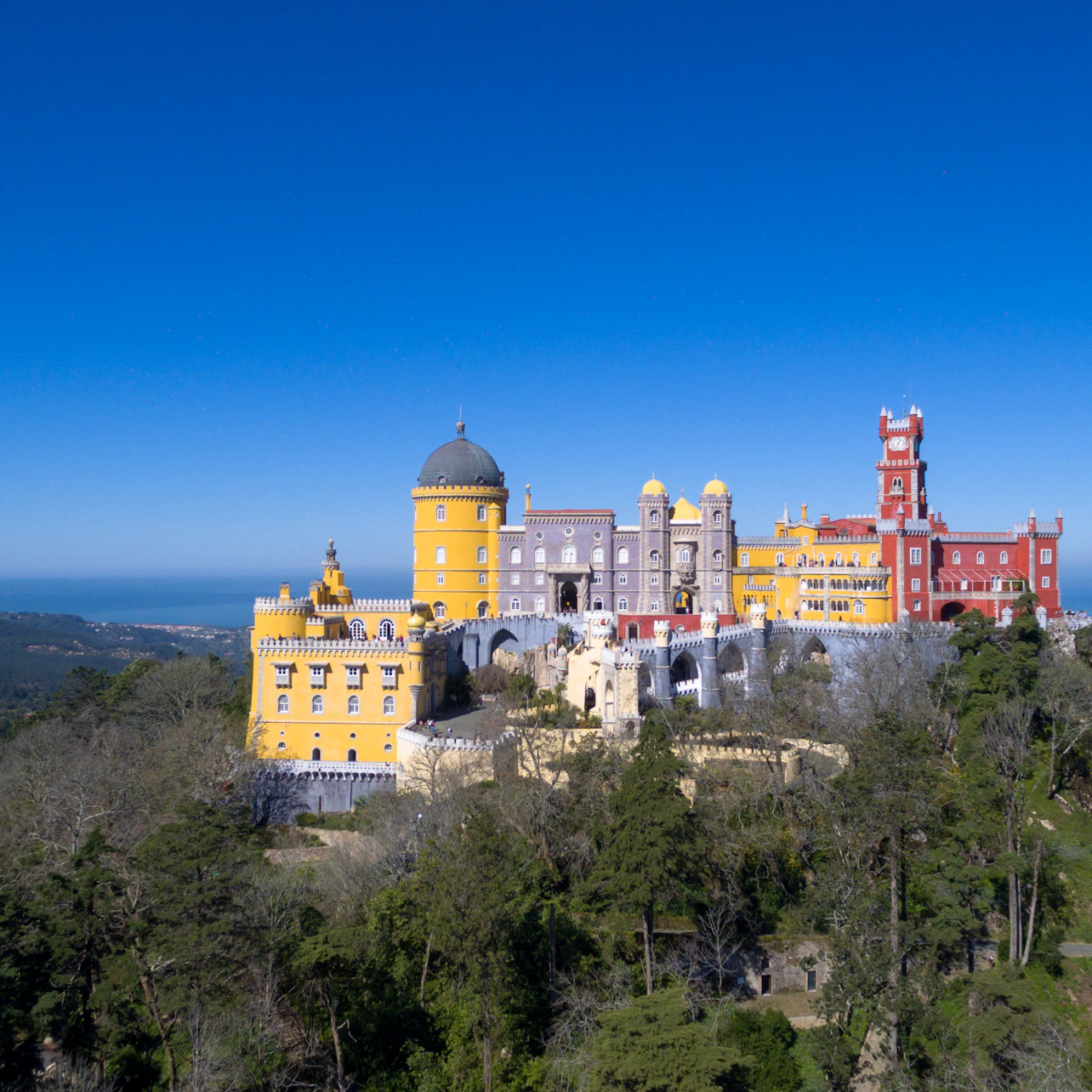
Likely to sell out
National Palace of Pena & Park: Entry Ticket
From €20
Lisboa Card: 51 Attractions & Public Transport
From €31

HIPPOtrip Lisbon: Amphibious Bus and Boat Tour
1h 30mFree cancellation
From €30
Lisbon Zoo: Fast Track Ticket
From €31
Banksy Museum Lisbon: Entry Ticket
From €13
3D Fun Art Museum Lisboa: Entry Ticket
From €13
National Palace and Gardens of QueluZ: Entrance Ticket
From €13
Lisbon: Fado Show at Lisboa em Fado + Port Wine
50m
From €13.99
Lisbon Cathedral: Entry Ticket
From €7
National Palace of Ajuda: Entry Ticket
From €15



Lisbon: Fátima, Nazaré, Óbidos & Batalha—Full Day
9hPickup availableFree cancellation

Lisbon: Belem Walking Tour with Jeronimos Monastery Ticket
3hSkip the lineMeal includedFree cancellation



Lisbon Private Tour with Local Guide
4hPrivate groupFree cancellation

Likely to sell out
National Palace of Sintra: Entrance Ticket
From €13

Lisbon: Sintra, Pena, Regaleira, the Roca Coast, and Cascais Tour
9hFree cancellation

Belém Private Tour with Local Guide
3hPrivate groupSmall groupFree cancellation

Best of Lisbon Walking Tour: Rossio, Chiado & Alfama
3hFree cancellation

Lisbon: Food and Wine Small Group Walking Tour
3hFree cancellation

Lisbon: Sanctuary Fátima & Little Shepperd Town Guide Tour
6hPickup availableFree cancellation
Top attractions in Lisbon

Browse Lisbon tours by category
Frequently asked questions
Yes. Sintra, with the Pena Palace, the Quinta da Regaleira and the National Palace, is the most popular day trip from Lisbon, and many tours combine it with the Cabo da Roca coast and the seaside town of Cascais. Book ahead in summer, when the palaces are at their busiest.
Yes. Full-day tours from Lisbon combine the sanctuary of Fátima with the walled town of Óbidos, the monastery of Batalha and the surf town of Nazaré, with transport and a guide included. Shorter tours visit Fátima on its own.
Yes, and the queues can be long, especially in summer. Both are closed on Mondays. A guided visit to Belém with entry included saves you from queuing for tickets.
Fado, Lisbon's song of longing, is on UNESCO's list of intangible cultural heritage. The best places to hear it are the small restaurants and Fado houses of Alfama, Mouraria and Bairro Alto, where shows usually start after dinner.
The most famous are the pastéis de Belém, baked next to the Jerónimos Monastery since the 1800s, but good custard tarts are sold all over the city. While you are at it, try bacalhau (salt cod), grilled sardines in summer, the bifana pork sandwich and a glass of ginjinha.
Very. It is a city of seven hills, with steep lanes and stairs. Trams, funiculars and the Santa Justa lift help with the climbs, and some walking tours follow routes with no steep climbs. Wear comfortable shoes for the cobbled pavements.
Yes. The old yellow Tram 28 climbs through Graça, Alfama, the Baixa and Estrela, past many of the sights. It gets very crowded, so ride it early in the morning or in the evening.
Lisbon's miradouros are part of the city's life. The Miradouro da Senhora do Monte and the Miradouro da Graça look over the castle and the river, Portas do Sol looks over Alfama, and São Pedro de Alcântara faces the castle from Bairro Alto.
Three days is enough for Belém, Alfama, the Baixa and Chiado and an evening of Fado. A fourth or fifth day leaves time for Sintra and Cascais, or for Fátima and Nazaré.
In June, during the Santos Populares. The biggest night is the eve of Santo António on 12 June, when Alfama and the old quarters fill with music, street parties and grilled sardines.
Lisbon is built on seven hills above the Tagus, and much of its charm is in getting between them: a yellow tram up to Alfama, a funicular to Bairro Alto, a viewpoint at every turn. It is also one of Europe's best bases for day trips, with Sintra, Cascais and the Atlantic coast less than an hour away.
Belém, on the river west of the centre, is where Portugal's Age of Discovery left its greatest monuments: the Jerónimos Monastery and the Belém Tower, both UNESCO World Heritage Sites, with the original pastéis de Belém baked next door. In the centre, walk from the Rossio and the Praça do Comércio up through Alfama to the walls of the São Jorge Castle, and stop at the viewpoints of Graça and São Vicente for the best views over the rooftops and the river. For royal history, the Ajuda Palace holds the treasures of the last Portuguese kings.
After dark, Lisbon is about food and Fado: petiscos, ginjinha and Portuguese wines on a food and wine tour, then a Fado house in Alfama. The classic day trips from Lisbon are the palaces and gardens of Sintra, the coast at Cabo da Roca and Cascais, and the sanctuary of Fátima with the medieval town of Óbidos and the big waves of Nazaré. For a gentle first look at the city, there are walking tours with no steep climbs.
About Lisbon
Lisbon (Lisboa), the capital of Portugal, is one of Europe's oldest and most atmospheric cities, spread across seven hills above the wide estuary of the Tagus River. Its light, its tiled façades and its mix of faded grandeur and everyday street life have made it one of the continent's most loved destinations.
The city's character lives in its distinct neighbourhoods: Alfama, the medieval Moorish quarter of narrow lanes, Fado houses and the São Jorge Castle; the Baixa, rebuilt on an elegant grid after the 1755 earthquake, with the Rossio and the riverside Praça do Comércio; the literary, fashionable Chiado and the nightlife of neighbouring Bairro Alto; and Belém, home to the Jerónimos Monastery and the Belém Tower, both UNESCO World Heritage Sites, and the original pastéis de Belém.
Historic yellow trams climb the hills to a string of miradouros with sweeping views over the rooftops and the river, while the sound of Fado drifts from Alfama's restaurants at night. Together with its café culture, azulejo tilework, seafood and easy access to Sintra and the Atlantic coast, Lisbon offers a rich mix of history and living culture to discover on foot.
What to expect on a Lisbon experience
Lisbon days mix monuments, hills and food. Monument visits take you inside the Jerónimos Monastery, the Belém Tower and the royal palaces, with a guide who explains the history of Portugal's explorers and kings. City tours of Alfama, the Baixa, Chiado and Graça cover the castle, the squares, the trams and the viewpoints, with stories of the 1755 earthquake and the city that rose after it.
Food and wine tours stop at local tascas and shops for petiscos, cheese, cured ham, pastries and Portuguese wines. Evenings are for Fado in Alfama or Bairro Alto.
Out of town, tours go to Sintra's palaces and gardens, the Atlantic coast at Cabo da Roca and Cascais, and further north to Fátima, Óbidos, Batalha and Nazaré. Private tours are a good choice if you want to set your own pace on the hills.
Best time to visit
Lisbon is a year-round destination thanks to its mild Atlantic climate, and the best time to visit depends on the experience you're looking for.
Spring (March–June) and early autumn (September–October) are the most comfortable seasons for sightseeing, with warm days, plenty of sunshine and fewer crowds than high summer. Summer (July–August) is hot and lively, busiest around Belém and Sintra and full of street festivals such as the June Santos Populares. Winter (November–February) is mild and quiet, with cooler, sometimes rainy days but bright light and low-season calm. Tours run in every season, so comfortable shoes and weather-appropriate layers are always a good idea — the hills and cobbled calçada pavements make sturdy footwear especially important.
Getting around
Lisbon's historic centre is compact and best explored on foot, but its seven hills mean plenty of climbs — most sights in Alfama, the Baixa and Chiado are within walking distance of one another, linked by steep lanes, staircases and viewpoints.
For longer distances and the hills, the city has an efficient integrated public-transport network of metro, buses, trams and funiculars on a single ticket. The historic Tram 28 winds through the old quarters, funiculars (elevadores) climb the steepest streets, and the Santa Justa lift connects the Baixa to Chiado. Trains from Cais do Sodré, Rossio and Oriente stations reach Belém, Sintra, Cascais and the coast in well under an hour. Many streets are cobbled and uphill, so comfortable footwear matters, and taxis and ride-hailing apps are widely available for door-to-door trips.


