
Experiences in Berlin
Museums, Cold War history, river cruises and city views in Germany's capital.
Destination
Berlin
Date
Add dates
Berlin: Tours & Experiences
10 experiences and tours


Berlin TV Tower Entry Ticket
45m
 From €20
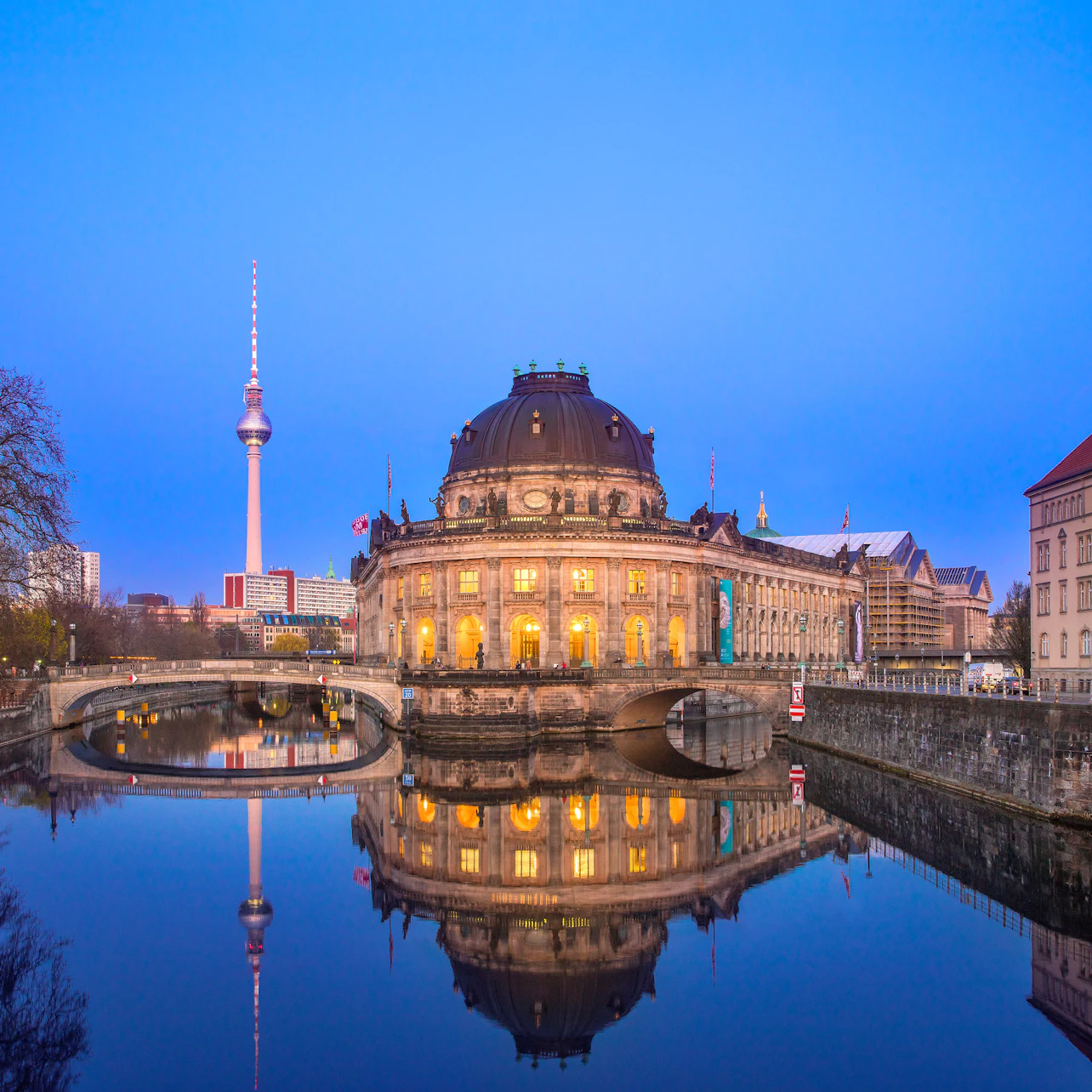
Berlin Museum Island Pass: All Museums
From €24
Jewish Museum Berlin Ticket & Audio Guide App
From €10
Madame Tussauds Berlin Entry Ticket
From €22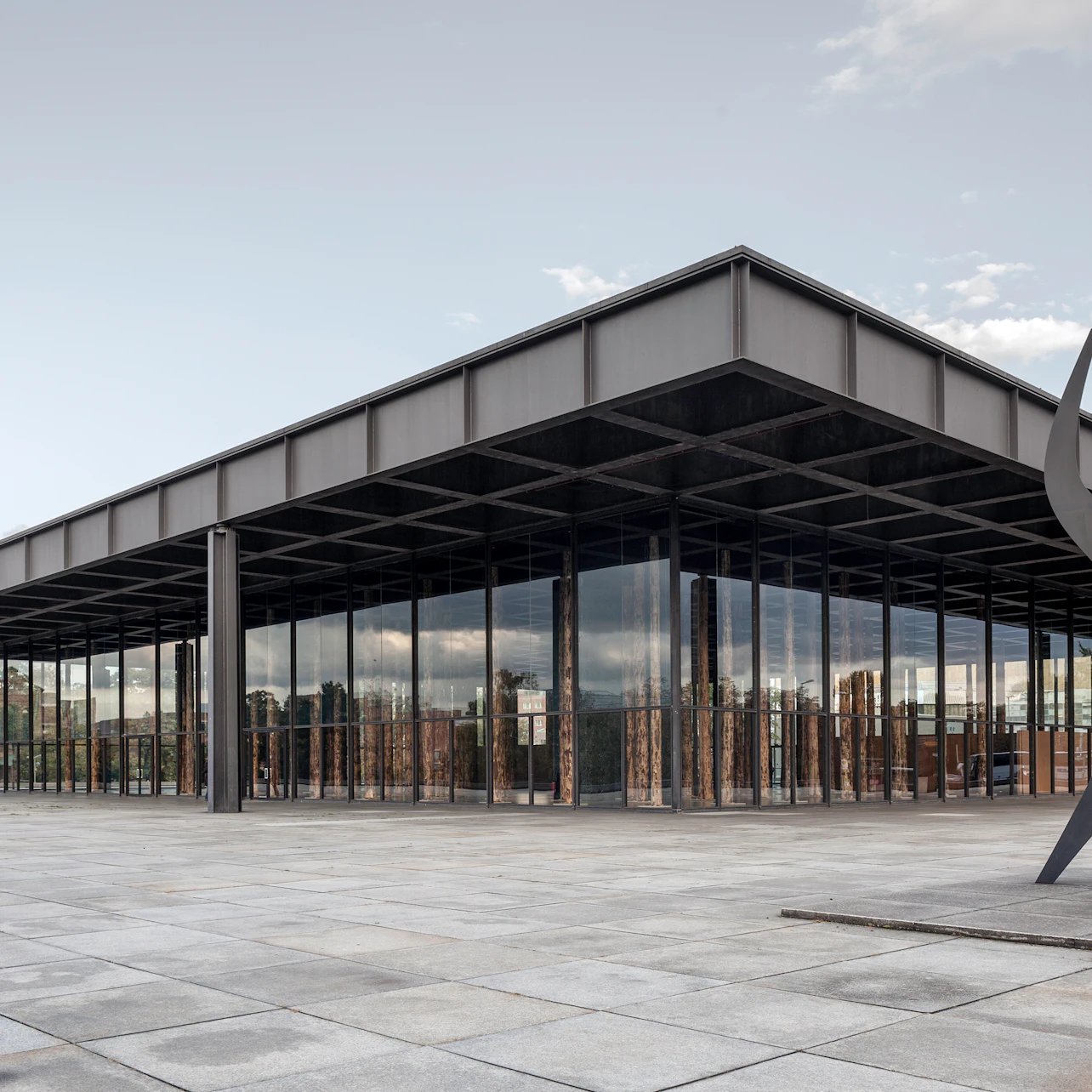
Neue Nationalgalerie Berlin Entry Ticket
From €20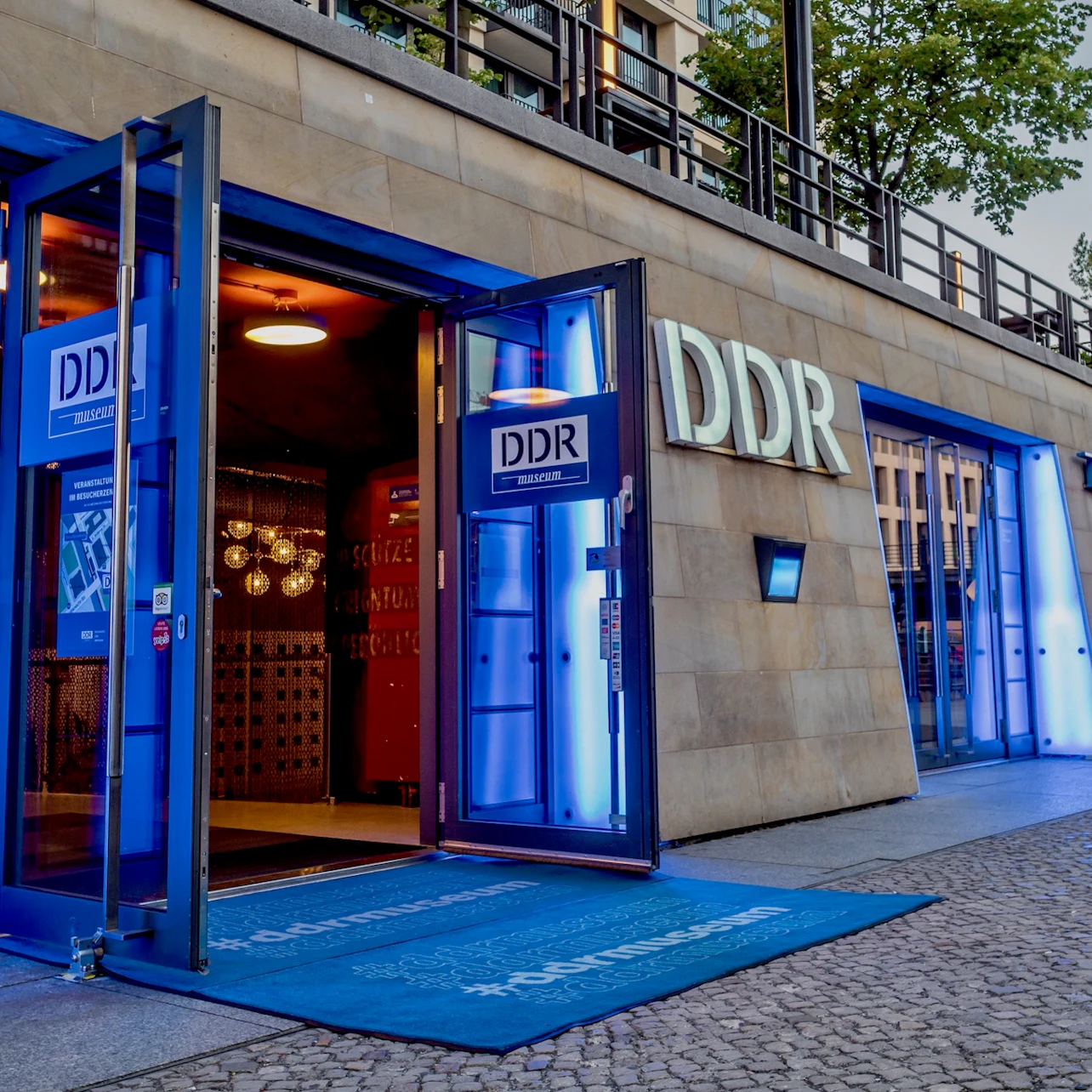
DDR Museum Berlin Entry Ticket
From €13.90
Asisi Panorama The Wall: Berlin Wall Experience
Free cancellation
From €14
Sachsenhausen Memorial Guided Tour from Berlin
6h
From €29.90
Reichstag Dome & Government District Tour (in German)
3h
From €15

Berlin East Side Spree Cruise with Audio Guide
2h 30m
From €30Frequently asked questions
The top things to do in Berlin are the Brandenburg Gate, Museum Island, the TV Tower at Alexanderplatz, the Reichstag dome, the East Side Gallery and the history of the Berlin Wall, a cruise on the Spree and a day trip to Sanssouci Palace in Potsdam.
Three days is a good first visit. It gives you one day for Mitte and Museum Island, one day for Cold War history and the river, and one day for Potsdam or Sachsenhausen.
Yes. The longest surviving section is the East Side Gallery along the Spree, covered in murals. You can also see a preserved stretch at the Berlin Wall Memorial on Bernauer Straße, and the Asisi Panorama near Checkpoint Charlie shows what life beside the Wall looked like.
Yes. Visits to the Reichstag dome need a booking in advance, and you must show an ID card or passport at the security check. A guided tour of the government district is an easy way to include it.
The main Pergamonmuseum building is closed for a long renovation. You can still see 'Pergamonmuseum. Das Panorama', a large panorama exhibition nearby, and the other museums on Museum Island are open.
Few cities tell their history as openly as Berlin. Within a short walk you can stand at the Brandenburg Gate, look down on the glass dome of the Reichstag, follow the line where the Berlin Wall once stood and visit museums that hold treasures from ancient Egypt to the 20th century.
Berlin is also a city to enjoy. Take in the view from the TV Tower at Alexanderplatz, sail along the Spree past the East Side Gallery, try life in East Germany at the hands-on DDR Museum, or leave the city for a day at the palaces of Potsdam.
About Berlin
Berlin is the capital of Germany and its largest city, with about 3.8 million people. It was divided by the Berlin Wall from 1961 until the Wall fell on 9 November 1989, and the two halves still feel different in places.
Mitte is the historic centre. Here you find the Brandenburg Gate, Unter den Linden, the Reichstag and Museum Island, a UNESCO World Heritage Site in the river Spree. The Neues Museum on the island holds the famous bust of Nefertiti.
Alexanderplatz was the heart of East Berlin. The TV Tower rises 368 metres above it, the tallest structure in Germany, with a viewing floor at 203 metres.
Kreuzberg and Friedrichshain are lively, creative districts on both sides of the river. The East Side Gallery, the longest surviving section of the Wall, is covered in murals along the Spree.
Potsdam, just outside the city, was the summer home of the Prussian kings. Sanssouci Palace and its gardens make an easy half-day or full-day trip.
What to expect on a Berlin experience
Most Berlin museums and attractions sell timed tickets. Choose your date and time when you book, and arrive 10 to 15 minutes early. Large bags often go in the cloakroom, and some sites, such as the Reichstag, check your ID.
A simple three-day plan works well for a first visit:
Day 1, historic Mitte: walk from the Brandenburg Gate along Unter den Linden to Museum Island, visit one or two of its museums, then go up the TV Tower at Alexanderplatz in the late afternoon.
Day 2, the divided city: learn about the Wall at the Asisi Panorama near Checkpoint Charlie, visit the DDR Museum or the Jewish Museum, and end with a cruise on the Spree to the East Side Gallery.
Day 3, beyond the centre: spend the day at Sanssouci Palace in Potsdam, or join a guided visit to the Sachsenhausen Memorial north of the city.
Best time to visit
Spring (April to June) brings mild weather, blossom in the parks and long evenings by the river. It is one of the most pleasant times to visit.
Summer (July and August) is warm, often around 25°C. Beer gardens, open-air cinemas and boat trips are at their best, and the city is busy.
Autumn (September and October) has comfortable temperatures and colourful parks. In October, the Festival of Lights lights up the city's landmarks at night.
Winter (November to March) is cold, often around 0°C, and days are short. It is a good time for museums, and from late November the Christmas markets fill the squares.
Getting around
Berlin has excellent public transport. The U-Bahn (underground), the S-Bahn (city trains), trams and buses all use the same tickets. The city is divided into zones A, B and C. Zones AB cover the centre, and you need an ABC ticket for BER Airport, Potsdam and Sachsenhausen.
Buy tickets from the machines in stations or in the BVG app, and validate paper tickets before you travel. Day tickets and the Berlin WelcomeCard are good value if you plan several trips.
The centre is flat and easy to explore on foot or by bike, and many sights in Mitte are a short walk apart. A boat trip on the Spree is also a relaxing way to travel between Museum Island, the government district and the east of the city.


