
Experiences in New York
The best things to do in New York City: sky decks, the Statue of Liberty, world-class museums and harbour cruises.
Destination
New York
Date
Add dates
New York: Tours & Experiences
13 experiences and tours
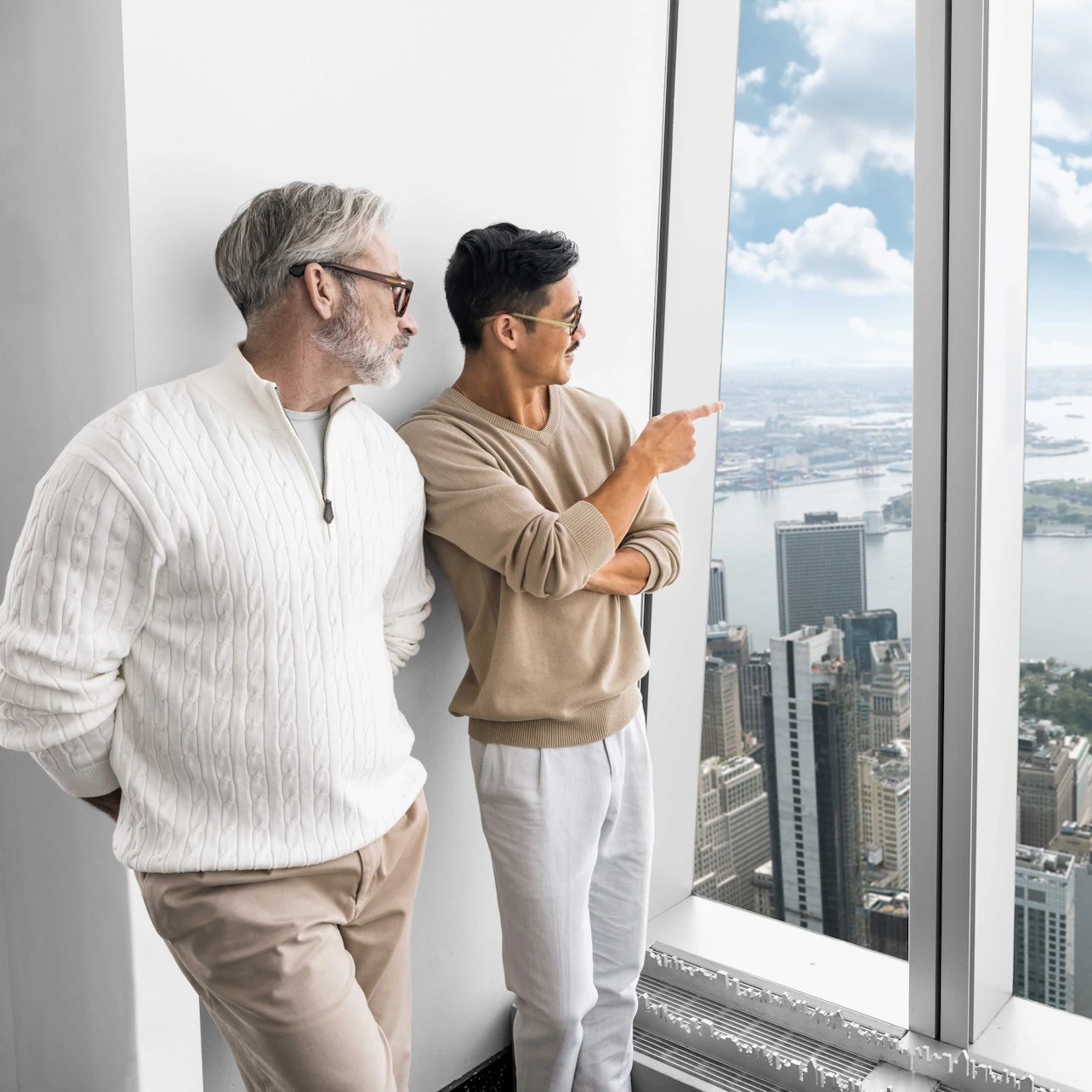

One World Observatory: Entry Ticket
Free cancellation
 From €38.36



One World Observatory: Skip All Lines
Free cancellation
From €52.32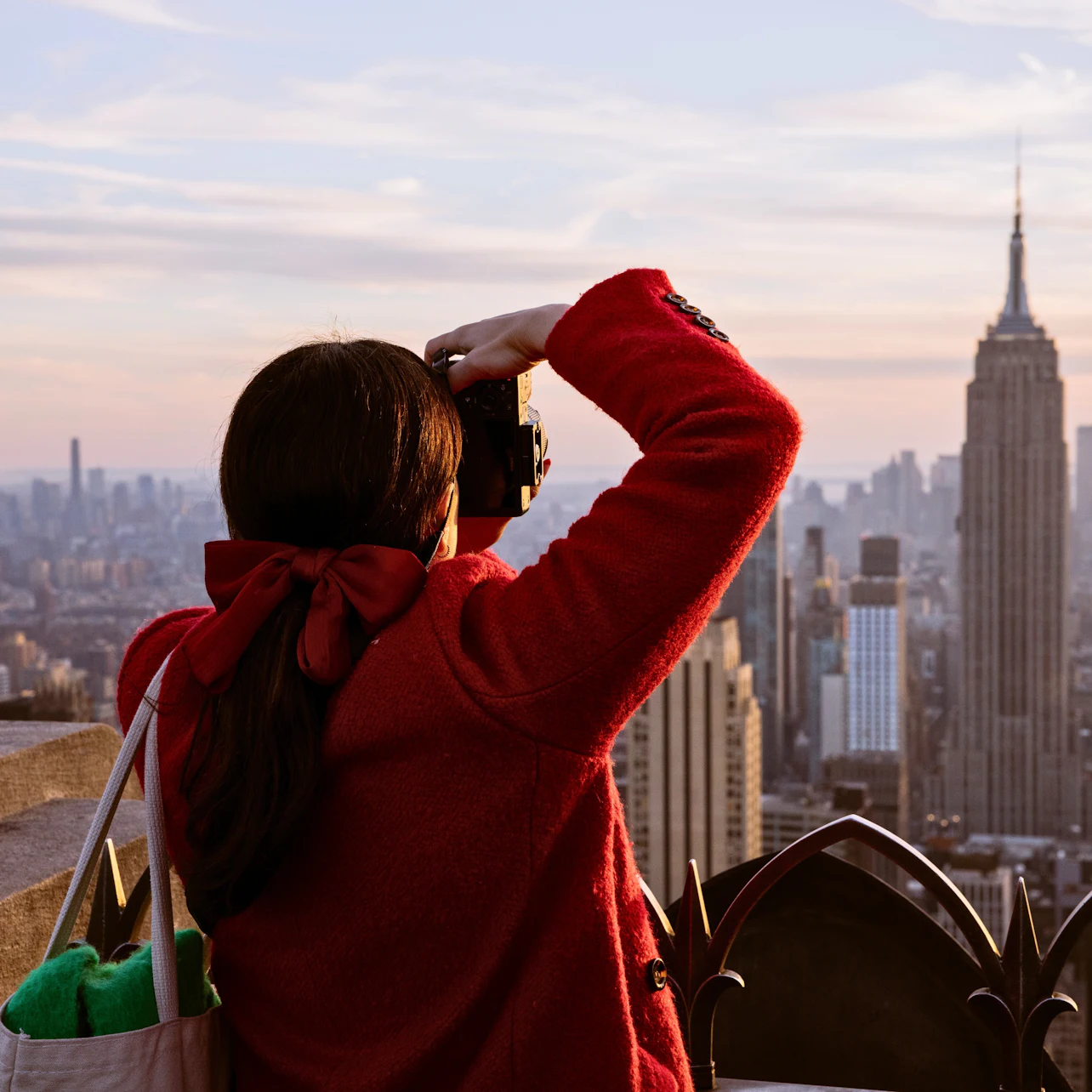
Top of the Rock: Entry Ticket
Free cancellation
From €40.70
Edge NYC: Entry Ticket
From €38.37
Statue of Liberty & Ellis Island: Entry Ticket + Roundtrip Ferry from Manhattan
From €24.92
The Museum of Modern Art (MoMA): Entry Ticket
Free cancellation
From €26.70
American Museum of Natural History (AMNH): Entry Ticket
Free cancellation
From €32.93
The Guggenheim: Entry Ticket
From €26.70
Whitney Museum of American Art: Entry Ticket
From €26.70
Central Park Zoo: Entry Ticket
From €20.42
New York: Circle Line Harbor Lights Sightseeing Cruise
2hFree cancellation
From €48.95
New York: Helicopter Tour from Manhattan
15m
From €230.49
RiseNY: Entry Ticket
1h 15m
From €43.60Frequently asked questions
The top things to do in New York are the Statue of Liberty and Ellis Island, an observation deck such as One World Observatory, Top of the Rock or Edge, a walk in Central Park and across the Brooklyn Bridge, MoMA or the American Museum of Natural History, Times Square at night and a harbour cruise.
Each one is different. One World Observatory is the highest and looks over the harbour and the Statue of Liberty. Top of the Rock gives the best view of the Empire State Building and Central Park. Edge has the highest outdoor deck in the city, with a glass floor. If you can visit only one, choose by the view you want in your photos.
No. Standard ferry tickets include the grounds of Liberty Island, the Statue of Liberty Museum and Ellis Island. The pedestal and the crown need special tickets with limited places, which sell out weeks ahead.
Plan at least three to four hours for both islands, including the ferry and the security check. Choose a morning time, because the last boats leave too little time for Ellis Island.
Plan two to three hours each for MoMA and the American Museum of Natural History. The Guggenheim and the Whitney need about one and a half to two hours.
Late afternoon, so you see the city by day, at sunset and after dark in one visit. Early morning is the quietest time. Sunset slots sell out first, so book them early.
Yes. Children love the American Museum of Natural History, the Central Park Zoo, the harbour cruises and the observation decks. Many attractions let young children in free. Check the age rules on each ticket.
Walk across the Brooklyn Bridge, explore Central Park and the High Line, ride the free Staten Island Ferry past the Statue of Liberty, visit Grand Central Terminal and see the 9/11 Memorial pools. Times Square at night is free too.
Three to four days are enough for the main sights. With five or more days you can add Brooklyn, Harlem, more museums and a Broadway show without rushing.
For the most popular ones, yes. Sunset slots at the observation decks, morning ferries to the Statue of Liberty and helicopter flights often sell out, especially in summer and December.
Bring your ticket on your phone, a photo ID and a small bag. Large bags are not allowed at many sights, and some have no lockers. In winter, bring warm clothes for the outdoor decks and the ferries.
The main tourist areas are busy day and night and are generally safe. Take the usual city care with your phone and bag, especially in crowds and on the subway.
Planning the best things to do in New York City (NYC)? New York is best seen from three places: from above, from the water and from inside its great museums. In one trip you can stand 100 floors over Lower Manhattan, sail past the Statue of Liberty at sunset and spend an afternoon with Van Gogh, Picasso and Warhol.
Each observation deck shows a different city. One World Observatory looks over the harbour and the rivers. Top of the Rock faces the Empire State Building and Central Park. Edge lets you stand on a glass floor high above Hudson Yards. On the ground, MoMA, the Guggenheim, the Whitney and the American Museum of Natural History hold collections that people cross the world to see.
Between the big sights, the city itself is the attraction: a walk across the Brooklyn Bridge, a morning in Central Park, a slice of pizza in Greenwich Village or the lights of Times Square at night.
On Artista Tours you can book entry tickets and experiences for New York's main sights. Each ticket shows clearly what is included, where to go and what to bring, so you can plan your days with confidence.
About New York
New York City spreads across five boroughs at the mouth of the Hudson River: Manhattan, Brooklyn, Queens, the Bronx and Staten Island. More than eight million people live here, and most first-time visitors spend their days in Manhattan, the long, narrow island where the famous skyline rises.
Lower Manhattan is where the city began as the Dutch town of New Amsterdam. Today it holds Wall Street, the 9/11 Memorial, One World Trade Center and Battery Park, where ferries leave for the Statue of Liberty and Ellis Island. About 12 million immigrants entered the United States through Ellis Island between 1892 and 1954.
SoHo, Greenwich Village and Chelsea are the city's most walkable neighbourhoods, with cast-iron buildings, small parks, cafés, galleries and the start of the High Line, an old elevated railway that is now a garden walk. It leads north to Hudson Yards and the Edge sky deck.
Midtown is the city of skyscrapers. Here you find the Empire State Building, Rockefeller Center, Times Square, Grand Central Terminal, the theatres of Broadway and the shops of Fifth Avenue. MoMA is a few steps from Fifth Avenue.
Central Park and the Upper East and West Sides come next. The park covers 843 acres in the middle of Manhattan. On its east side, the Museum Mile on Fifth Avenue holds the Metropolitan Museum of Art and the Guggenheim. On its west side stands the American Museum of Natural History.
Across the East River, Brooklyn offers a different view of the city. DUMBO, under the Brooklyn and Manhattan bridges, has the classic skyline photo spot, and Brooklyn Bridge Park runs along the water. Further north, Harlem is known for its history, gospel churches, jazz and soul food.
What to expect on a New York experience
Most New York attractions sell timed tickets. You choose a date and a time when you book, and you should arrive 15 to 30 minutes early. Security checks are common at the observation decks, the museums and the Statue of Liberty ferry, and large bags are often not allowed, so travel light.
A simple three-day plan works well for a first visit:
Day 1, Lower Manhattan and the harbour: take the morning ferry to the Statue of Liberty and Ellis Island, visit the 9/11 Memorial, then go up One World Observatory in the late afternoon. Finish with a walk across the Brooklyn Bridge to DUMBO.
Day 2, Midtown: visit MoMA in the morning, walk along Fifth Avenue to Rockefeller Center and Grand Central, then see the sunset from Top of the Rock or Edge. End the day in Times Square or at a Broadway show.
Day 3, Central Park and the museums: walk through Central Park in the morning, then choose the American Museum of Natural History, the Guggenheim or the Whitney. Add the High Line and Chelsea Market in the afternoon, or an evening harbour cruise.
Plan at least half a day for the Statue of Liberty and Ellis Island, and two to three hours for each of the big museums. Children under a certain age enter free at many museums and decks, and each ticket shows the age rules. New York suits every kind of traveller, from families and couples to solo visitors and groups of friends.
Best time to visit
New York is a year-round city, but each season feels different.
Spring (April to June) brings mild weather, blossom in Central Park and long days for walking. It is one of the most pleasant times to visit, and one of the busiest.
Summer (July and August) is hot and humid, often above 30°C. Days are long, outdoor concerts and events fill the parks, and evenings are perfect for harbour cruises and rooftop views. Plan indoor museums for the hottest part of the day.
Autumn (September to early November) has clear skies and comfortable temperatures. The leaves in Central Park turn gold and red in late October and early November. The New York City Marathon takes place on the first Sunday in November.
Winter (December to March) is cold, around freezing, and it can snow. December is magical, with holiday lights, the famous shop windows, the Christmas tree and ice rink at Rockefeller Center, and the Thanksgiving Day Parade in late November. On New Year's Eve, crowds gather in Times Square for the ball drop. January and February are the quietest months, with shorter queues at the big sights.
For the observation decks, choose a clear day and a late afternoon time slot to see the city by day, at sunset and after dark. These slots sell out first, so book early.
Getting around
The subway is the fastest way to travel in New York. It runs 24 hours a day, and you can pay at the gates with a contactless bank card or phone. Lines are named by letters and numbers, and 'uptown' means north and 'downtown' means south. Buses cover the routes the subway does not.
Manhattan's streets above Houston Street follow a grid. Streets run east to west and avenues run north to south, so it is easy to find your way on foot. About 20 short blocks make a mile, and walking is often the best way to see the city between two nearby sights.
Yellow taxis and ride-hailing apps are easy to find, but traffic can be slow in Midtown. Citi Bike, the city's bike share, is a good choice along the Hudson River and in Central Park.
On the water, the Staten Island Ferry is free and sails past the Statue of Liberty in about 25 minutes each way. The Statue of Liberty and Ellis Island ferry leaves from Battery Park. NYC Ferry boats link Manhattan with Brooklyn and Queens.
From the airports: at JFK, the AirTrain connects with the subway and the Long Island Rail Road. From LaGuardia, buses connect with the subway. From Newark, the AirTrain connects with trains to Penn Station in Midtown. Taxis and car services run from all three.


