
Experiences in Kraków
Destination
Kraków
Date
Add dates
Kraków: Tours & Experiences
16 experiences and tours


Banksy Museum Entry Ticket
 From €14.50

Auschwitz-Birkenau Guided Tour with Transport
7h 30m
From 

Wieliczka Salt Mine Tour with Transport
4h 30mFree cancellation
From €65
Rynek Underground Museum Guided Tour
1h 30m
From €35
Wawel Castle and Cathedral Guided Tour
2h
From €54
Kościuszko Mound and Museum Entry Ticket
From €14.20
Vistula River Night Cruise with Live Guide
1hFree cancellation
From €20.43
Polish Aviation Museum Skip-the-Line Ticket
From €14
Old Town and Kazimierz Morning Bike Tour
3hFree cancellation
From €35
St. Mary's Basilica and Old Town Guided Tour
1h 30mFree cancellation
From €30
Zakopane, Thermal Baths and Gubałówka Day Trip
11h
From €99

Old Town Electric Golf Cart Tour with Audio Guide
50mFree cancellation
From €12.49
Hop-on Hop-off Bus Tour: 4, 24 or 48 Hours
Free cancellation
From €21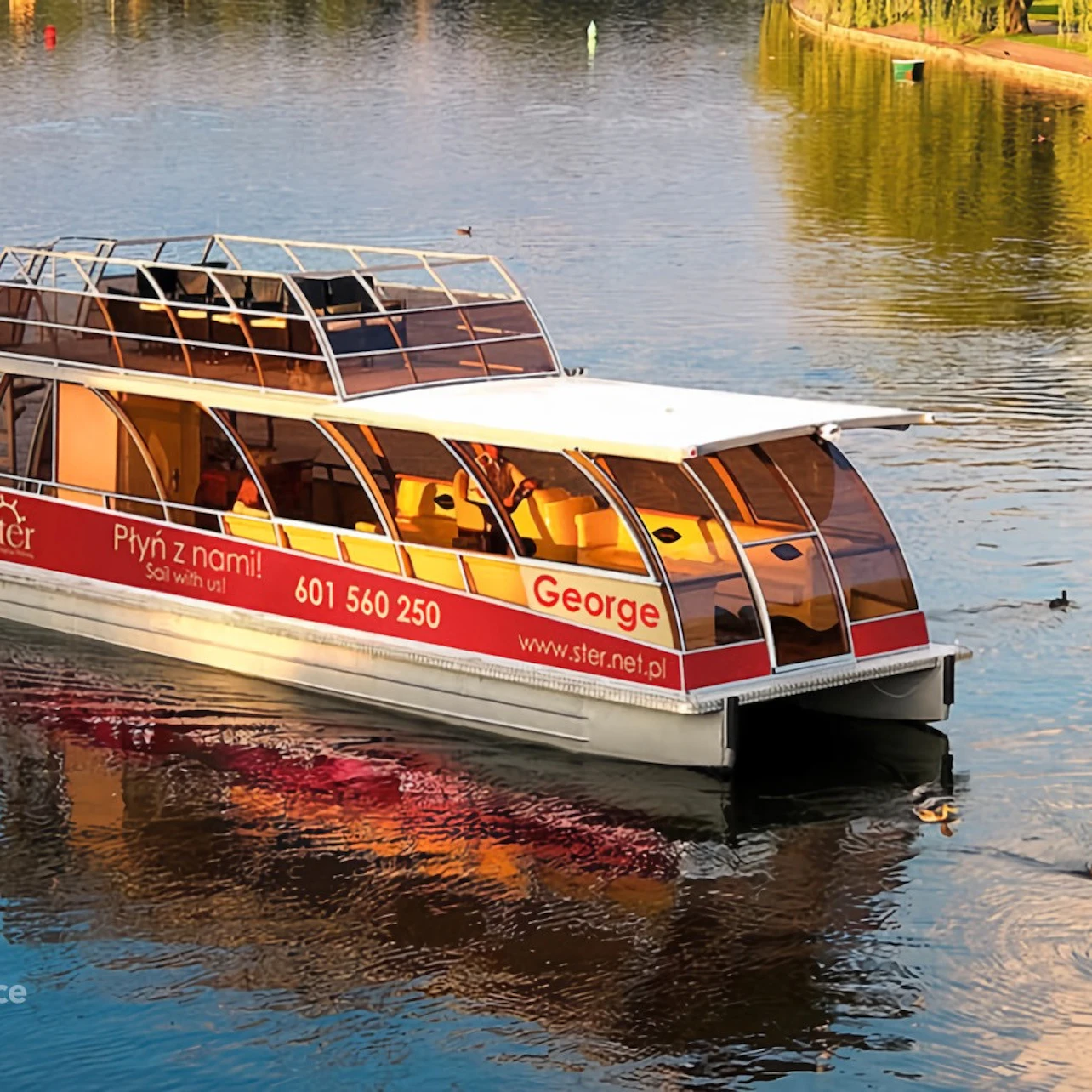
Vistula River Cruise with Audio Guide
45mFree cancellation
From €24.97
Former Jewish Ghetto Guided Walking Tour
1h
From €15
Schindler's Factory Skip-the-Line Guided Tour
1h 30mFree cancellation
From Frequently asked questions
Kraków came through the Second World War with its old town almost untouched, which is why it still reads like a map of Polish history: the square where merchants traded, the road kings rode along to their coronations, and the hill where they were crowned and buried. A guide turns those streets from a pretty backdrop into a story. Kraków is also where most visitors to Auschwitz-Birkenau set out from, and that visit is one to make with a licensed educator rather than alone.
About Kraków
Kraków was Poland's capital for more than five hundred years, and its old town was among the very first places UNESCO listed as World Heritage, in 1978. At its centre is the Main Market Square, one of the largest medieval squares in Europe, with the Renaissance Cloth Hall down the middle and the twin towers of St Mary's Basilica on one corner. Inside the basilica is Veit Stoss's carved wooden altarpiece, the largest Gothic altarpiece in the world. From the taller tower a trumpeter plays the hejnał every hour and stops mid-note, remembering a watchman said to have been shot while sounding the alarm.
The old walls were torn down in the nineteenth century and replaced by the Planty, a ring of park you cross whichever way you enter. South of the square, Wawel Hill holds the royal castle and the cathedral where Polish kings were crowned and are buried, with the legendary dragon's cave cut into the rock below. In between is the Jagiellonian University, founded in 1364, where Copernicus studied.
What to expect on a Kraków experience
Most visits to Kraków mix two very different kinds of day:
- The city itself: the Royal Route from the Planty through the Main Square to Wawel Hill, visits inside St Mary's Basilica and Wawel Castle and Cathedral, the Jewish quarter of Kazimierz, and the wartime story of Podgórze and Schindler's Factory. Food tours make the most of pierogi, obwarzanki and the old milk bars.
- Day trips from Kraków: the Auschwitz-Birkenau Memorial, best visited with a licensed museum educator, the underground chambers of the Wieliczka Salt Mine, and the Tatra mountains around Zakopane. Allow most of a day for each.
Each tour page lists its exact meeting point, what is included and the languages available on each date.
Best time to visit
May, June and September are the easiest months: mild enough to spend hours outdoors, without the peak crowds of July and August. Summer is busy, and Auschwitz entry times sell out weeks ahead, so book that first if your dates are fixed. Winters are cold and grey, but December brings the Christmas market to the Main Square, and the old town is at its quietest from January to March.
Getting around
The old town is small and flat, and you can walk from the Main Square to Wawel in about ten minutes, so a pair of comfortable shoes is all you need. Trams cover the rest of the city, including Kazimierz and the riverside. Kraków Airport (Balice) is about 11 km west, with a train to the main station, Kraków Główny, next to the old town. Auschwitz and Wieliczka can be reached by bus or train, but a trip with transport is simpler: at Auschwitz, public transport leaves you to find the entrance and the shuttle between the two camps yourself.


