
Experiencias de Germany
Destino
Buscar destinos
Fecha
Añadir fechas
3 Visitas culturales en Germany



Descubra otros destinos


Germany spans buzzing modern capitals, fairy-tale castles, vine-clad river valleys and dark forests, all bound together by superb trains and a deep love of festivals, bread and beer. Few countries blend history and reinvention so vividly.
Artista Tours connects you with local German guides who unpack the country's complex past, from medieval old towns to the Cold War, and lead you to the best beer gardens, bakeries, castles and hidden corners beyond the guidebook stops.
Acerca de Germany
Berlin, the reunified capital, pulses with history and creativity, the Brandenburg Gate, Reichstag, Museum Island and remnants of the Berlin Wall sit beside cutting-edge art and nightlife. Munich anchors Bavaria with its beer halls, Marienplatz and the world-famous Oktoberfest, and serves as a gateway to the Alps and King Ludwig's fairy-tale Neuschwanstein Castle.
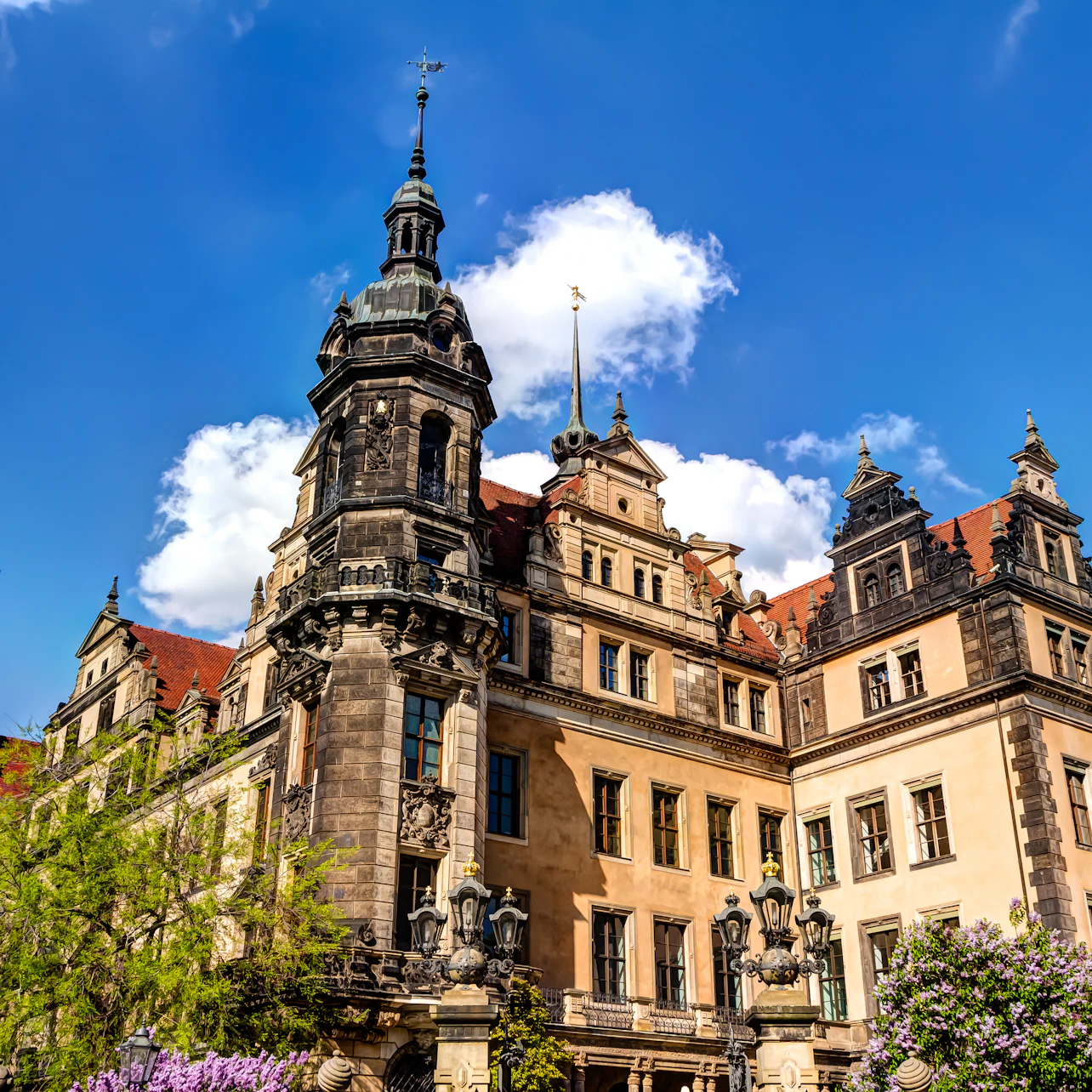
Cologne is crowned by its soaring Gothic cathedral, Hamburg is a maritime powerhouse of canals and harbour, and Dresden and Frankfurt mix baroque splendour with modern skylines. The Romantic Road, the Rhine Valley with its castles and vineyards, and the Black Forest reward slower travel. German cuisine is heartier and more varied than its reputation, pretzels, sausages (bratwurst, currywurst), schnitzel, sauerkraut and spatzle, alongside excellent Riesling wines and a beer culture protected since the 1516 purity law.
Qué esperar de una experiencia en Germany
Guided experiences in Germany are informative, well-organized and often centered on history or beer. Expect punctual small groups, fluent English and guides who make even weighty history engaging and accessible.
- History walking tours in Berlin, from the Wall to WWII and Cold War sites
- Beer-hall and beer-garden tours, plus brewery visits in Munich and Bavaria
- Castle day trips to Neuschwanstein and along the Romantic Road
- Rhine Valley river cruises past vineyards and hilltop fortresses
- Christmas market tours in Nuremberg, Dresden and Cologne
La mejor época para visitar
Late spring (May-June) and early autumn (September-October) bring mild weather, blooming or golden landscapes and lively events, ideal for city and countryside alike. Summer is warm and busy, perfect for beer gardens, lakes and festivals.
Autumn hosts Munich's Oktoberfest (mid-September to early October) and the Rhine's wine harvest, while December transforms Germany into a wonderland of Christmas markets (Weihnachtsmarkt), among the world's finest in Nuremberg, Dresden and Cologne. Winters are cold but atmospheric, and the Alps offer skiing.
Cómo desplazarse
Germany's rail system is excellent: Deutsche Bahn's high-speed ICE trains link Berlin, Munich, Cologne, Hamburg and Frankfurt swiftly and comfortably, making the train the natural way to travel between cities. Book in advance for cheaper Sparpreis fares.
Cities have integrated U-Bahn (metro), S-Bahn, trams and buses on a single ticket, and centers are walkable and cycle-friendly. Scenic Rhine and Moselle boat trips connect river towns, while a rental car suits the Romantic Road, Black Forest and Bavarian countryside. Note that intercity coaches (like FlixBus) offer a budget alternative.
Preguntas frecuentes
Berlin is essential for history and culture, and Munich for Bavarian beer halls and Alpine access. Add Neuschwanstein Castle, the Rhine Valley, Cologne's cathedral, and charming towns along the Romantic Road, plus the Black Forest for nature.
Late spring (May to June) and early autumn (September to October) offer mild weather and fewer crowds. Summer is warm and festive, September brings Oktoberfest, and December is magical thanks to Germany's world-famous Christmas markets.
Three to four days suits a single city like Berlin or Munich. To combine two cities with a castle or the Rhine, allow 7 to 10 days, using the fast ICE trains to move efficiently between regions.
Germany is in the EU and Schengen Area, so many travelers including US, UK, Canadian and Australian citizens can enter visa-free for up to 90 days in a 180-day period. Confirm rules for your nationality; ETIAS pre-authorization is expected to apply in the near future.
The official language is German, though English is widely spoken in cities and tourist areas. Germany uses the euro (EUR). Cards are increasingly accepted, but Germany remains fond of cash, so carry some for bakeries, markets and smaller establishments.