
Atrakcje: Greece
Kierunek
Szukaj kierunków
Data
Dodaj daty
Greece: 8 Wycieczki historyczne




Akropol w Atenach: bilet wstępu + przewodnik cyfrowy
 Od 37,50 €

Muzeum Akropolu: bilet z pominięciem kolejki + audioprzewodnik
Od 25 €
Muzeum Akropolu: wyłącznie zwiedzanie z przewodnikiem
1h 15mBezpłatne anulowanie
Od 35 €
Muzeum Sztuki Cykladzkiej: bilet z pominięciem kolejki
Od 12 €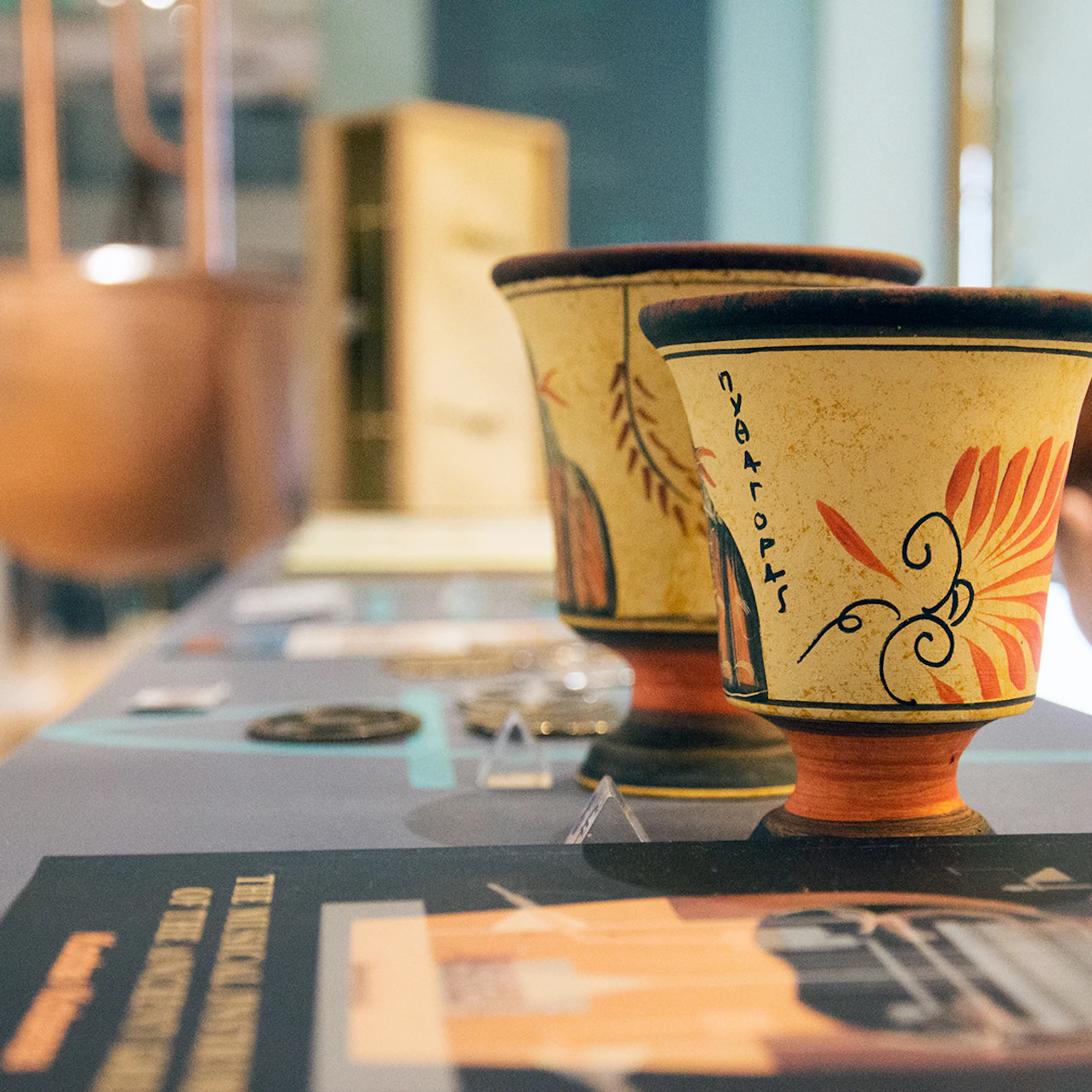
Muzeum Starożytnej Technologii Greckiej: Bilet wstępu
Bezpłatne anulowanie
Od 7 €
Muzeum Herakleidon
Od 10 €
Meteora: całodniowa wycieczka z Aten z obiadem i audioprzewodnikiem
14hBezpłatne anulowanie
Od 77,70 €
Delphi: całodniowa wycieczka z audioprzewodnikiem VR z Aten
12hBezpłatne anulowanie
Od 58 €Zapoznaj się z innymi miejscami


Greece is where Western civilisation began and where every ruin, taverna and sun-bleached harbour tells a story. Cradle of philosophy, democracy and the Olympic Games, it pairs 5,000 years of history with more than 200 inhabited islands scattered across the Aegean and Ionian seas.
Whether you crave archaeology, island-hopping or long lunches of grilled octopus and cold retsina, guided experiences help you go beyond the postcard and into the living culture.
O Greece
Athens, the capital, is anchored by the Acropolis and its Parthenon, with the Ancient Agora, Plaka's neoclassical lanes and the world-class Acropolis Museum below. To the north, Thessaloniki offers Byzantine churches, buzzing bars and the finest street food in the country.
The islands each have a character of their own: Santorini with its caldera sunsets and blue-domed Oia; Mykonos for windmills and nightlife; Crete, the largest island, home to the Minoan palace of Knossos and dramatic Samaria Gorge; and Rhodes with its medieval Old Town. On the mainland, don't miss the oracle site of Delphi and the clifftop monasteries of Meteora.
Greek cuisine is Mediterranean at its best: moussaka, souvlaki, fresh feta, honey-drizzled loukoumades and the ritual of meze shared over ouzo.
Czego się spodziewać w Greece
Local guides bring the stones to life, decoding mythology, decoding hieroglyphs of history and steering you to the tavernas locals actually eat at. Expect walking tours of ancient sites, sunset sailing trips, wine tastings in volcanic vineyards and cooking classes with island grandmothers.
- Skip-the-line access to the Acropolis and major museums
- Small-group island cruises with swim and snorkel stops
- Food and wine walks through market districts
- Licensed archaeological guides at Delphi, Knossos and Mycenae
Najlepszy czas na wizytę
Late April to June and September to October are ideal: warm seas, blooming countryside and thinner crowds than the July–August peak, when islands like Santorini and Mykonos get busy and hot (35°C+). Winter is mild in Athens and good for museums, though many island businesses close from November to March. For beach days and ferry reliability, aim for the shoulder-season sweet spot.
Poruszanie się po mieście
Athens has a clean, efficient metro linking the airport, port and centre. Between islands, ferries (conventional and high-speed) depart mostly from Piraeus and Rafina; book ahead in summer. Domestic flights connect Athens to larger islands like Crete, Rhodes and Santorini. On the mainland, intercity KTEL buses are cheap and reliable, and hiring a car is the best way to explore regions like the Peloponnese.
Najczęściej zadawane pytania
Plan on 2–3 days for Athens to cover the Acropolis, Ancient Agora and a day trip to Delphi or Cape Sounion. Add 4–7 days for the islands, allowing at least two nights per island to offset ferry travel time. A classic first trip pairs Athens with Santorini and one other Cycladic island like Naxos or Milos.
Yes, especially from May to October. The Acropolis now uses timed-entry slots that regularly sell out, so booking a skip-the-line ticket or a guided tour ahead of time is strongly recommended. Arriving right at opening or in the late afternoon also helps you avoid the worst heat and crowds.
Very. Ferries are the backbone of Greek travel, with frequent summer routes from Piraeus and connections between neighbouring islands. Book high-speed ferries in advance during July and August, and always build in buffer time, as schedules can shift with weather (the meltemi winds in particular).
Start with classics like moussaka, souvlaki and Greek salad with real feta, then explore regional dishes: fresh grilled fish on the islands, dakos in Crete, and bougatsa pastry in Thessaloniki. Meze culture is central, so order several small plates to share alongside ouzo or local wine.
Absolutely. Beaches are safe and shallow in many resorts, Greeks adore children, and the mix of mythology, castles and boat trips keeps kids engaged. Many island tours and cruises offer family-friendly, small-group options, and food is simple and appealing for younger palates.