
Atrakcje w Austria
Kierunek
Austria
Data
Dodaj daty
Cities in Austria

Austria: przeglądaj wycieczki według kategorii
Austria
13 doświadczenia i wycieczki
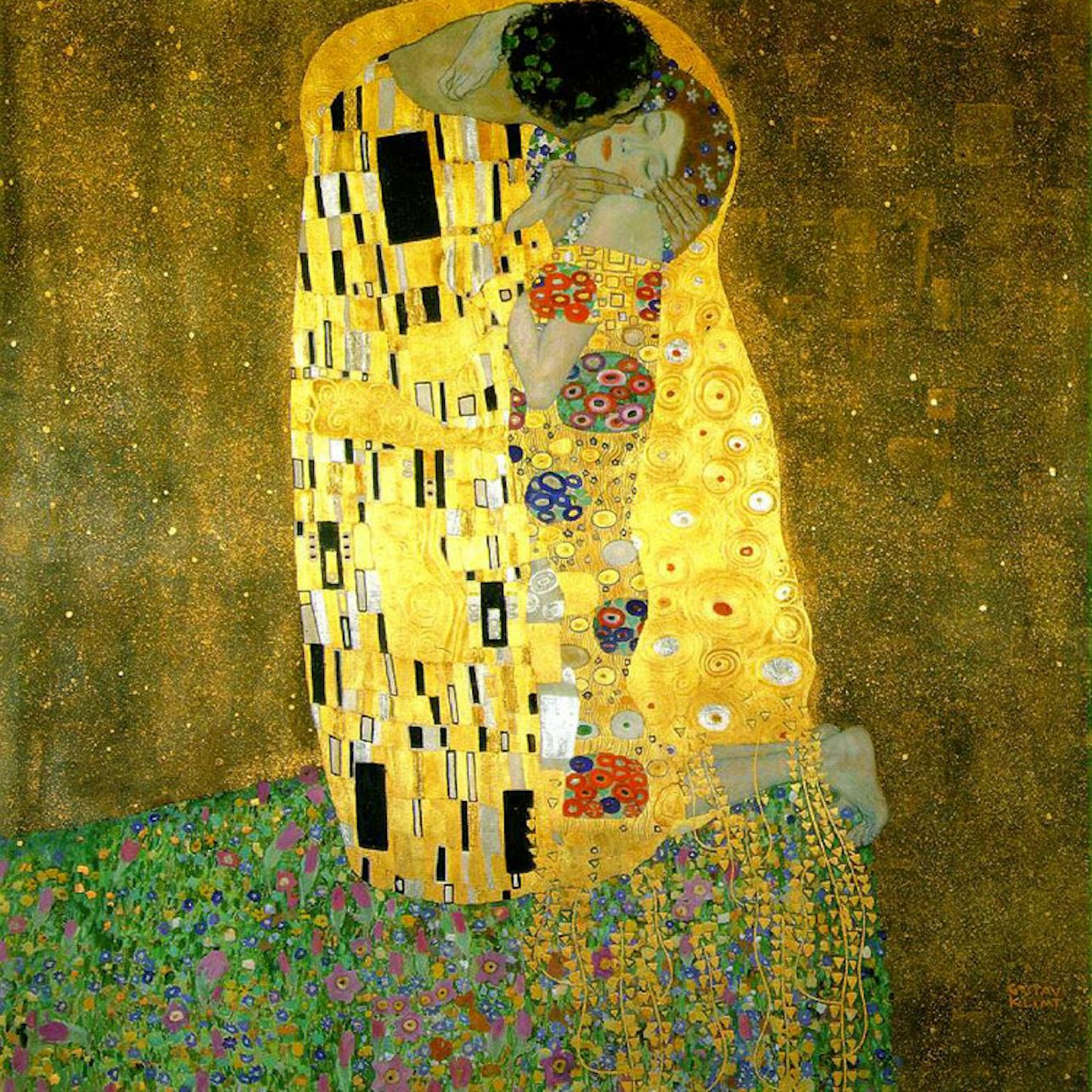
Bilet do Górnego Belwederu: obraz Klimta „Pocałunek”
Bezpłatne anulowanie
 Od 23 €
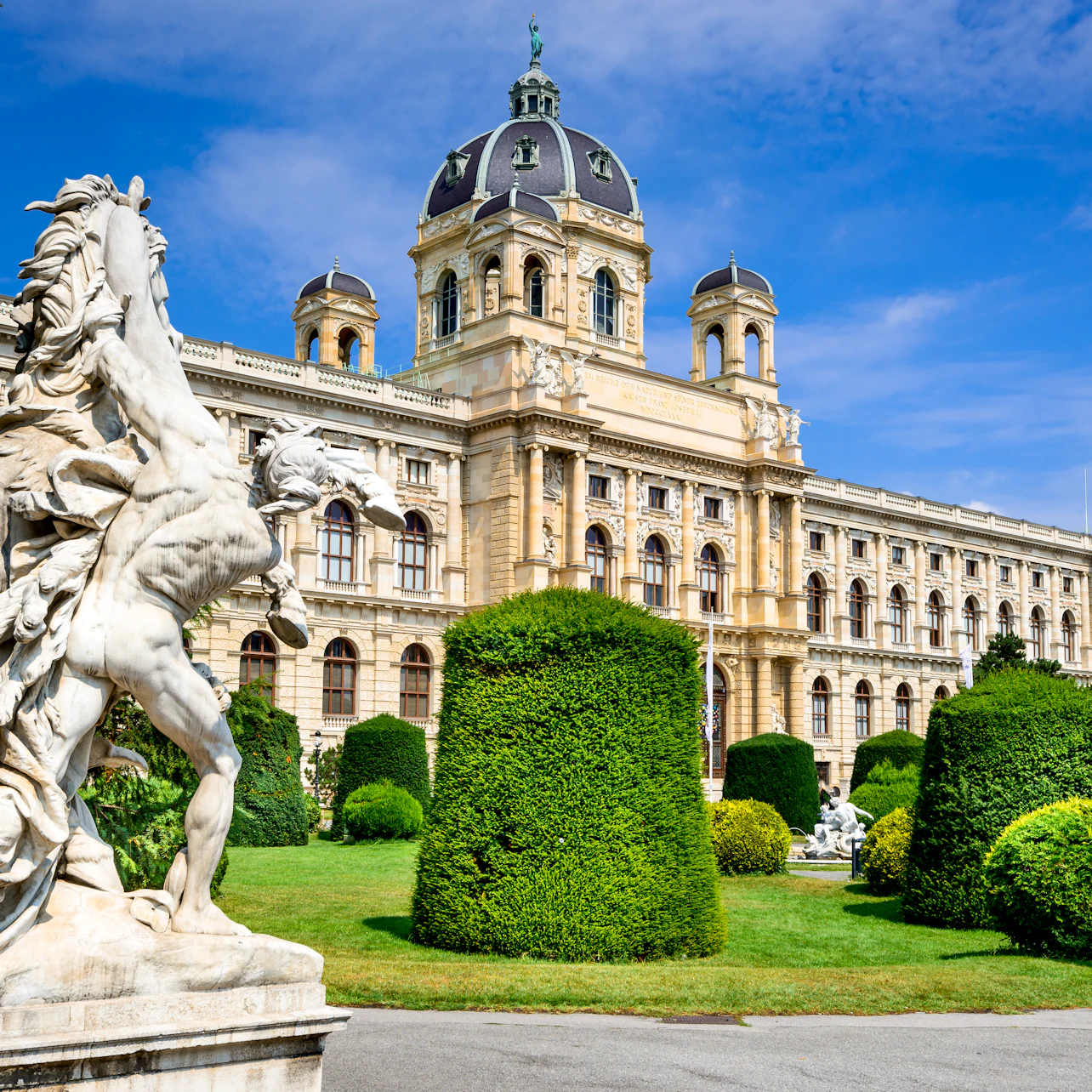
Bilet bez kolejki do Muzeum Historii Sztuki
Od 
Bilet bez kolejki do ogrodu zoologicznego w Schönbrunn
Od 29 €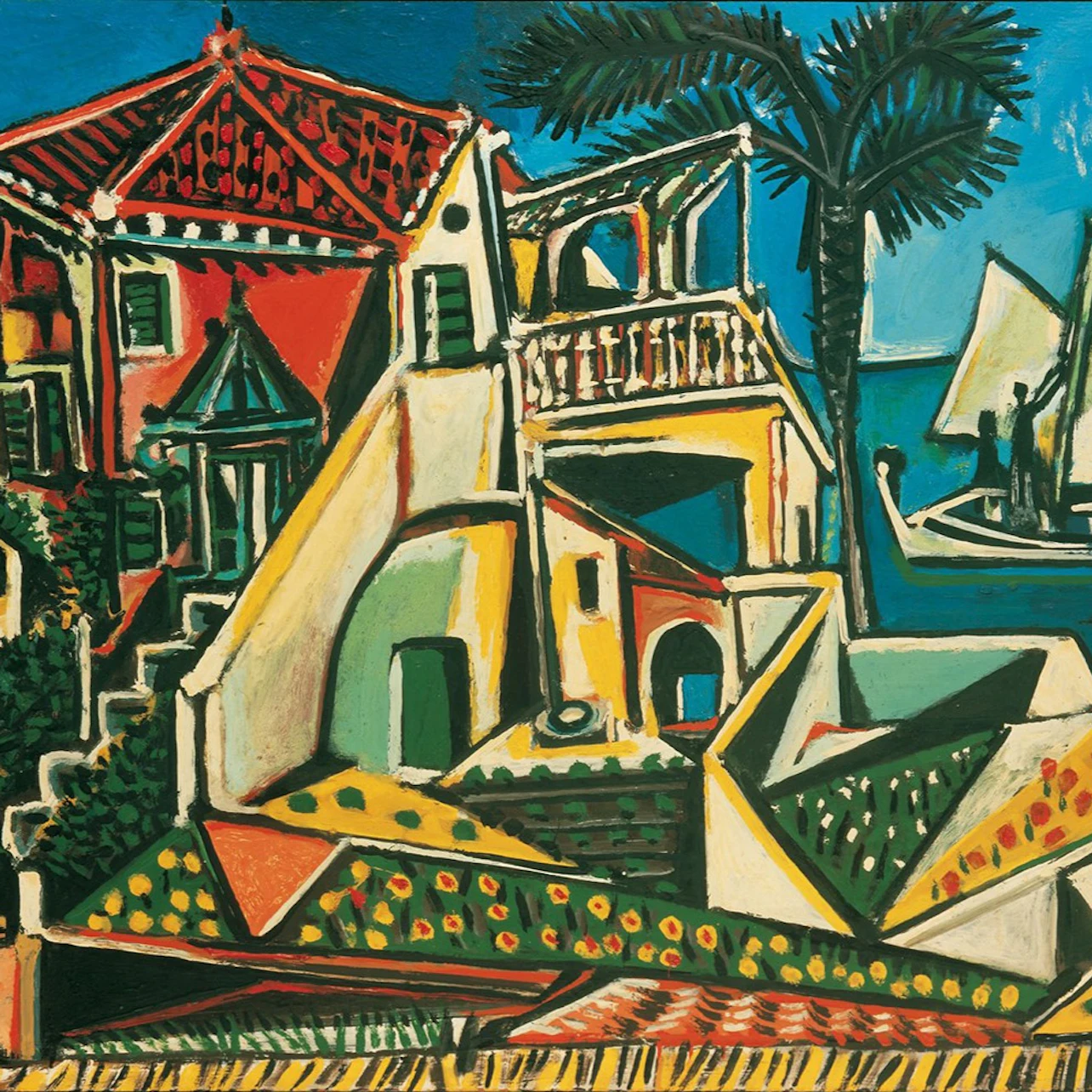
Bilet do Muzeum Albertiny: Od Moneta do Picassa
Od 20,90 €
Wycieczki z przewodnikiem po pałacu Schönbrunn wraz z biletem wstępu
2h 30mBezpłatne anulowanie
Od 55 €
Wycieczka z przewodnikiem po Muzeum Sisi i Hofburgu
2h 30mBezpłatne anulowanie
Od 62 €
Bilet wstępu do Skarbca Cesarskiego w Wiedniu
Od 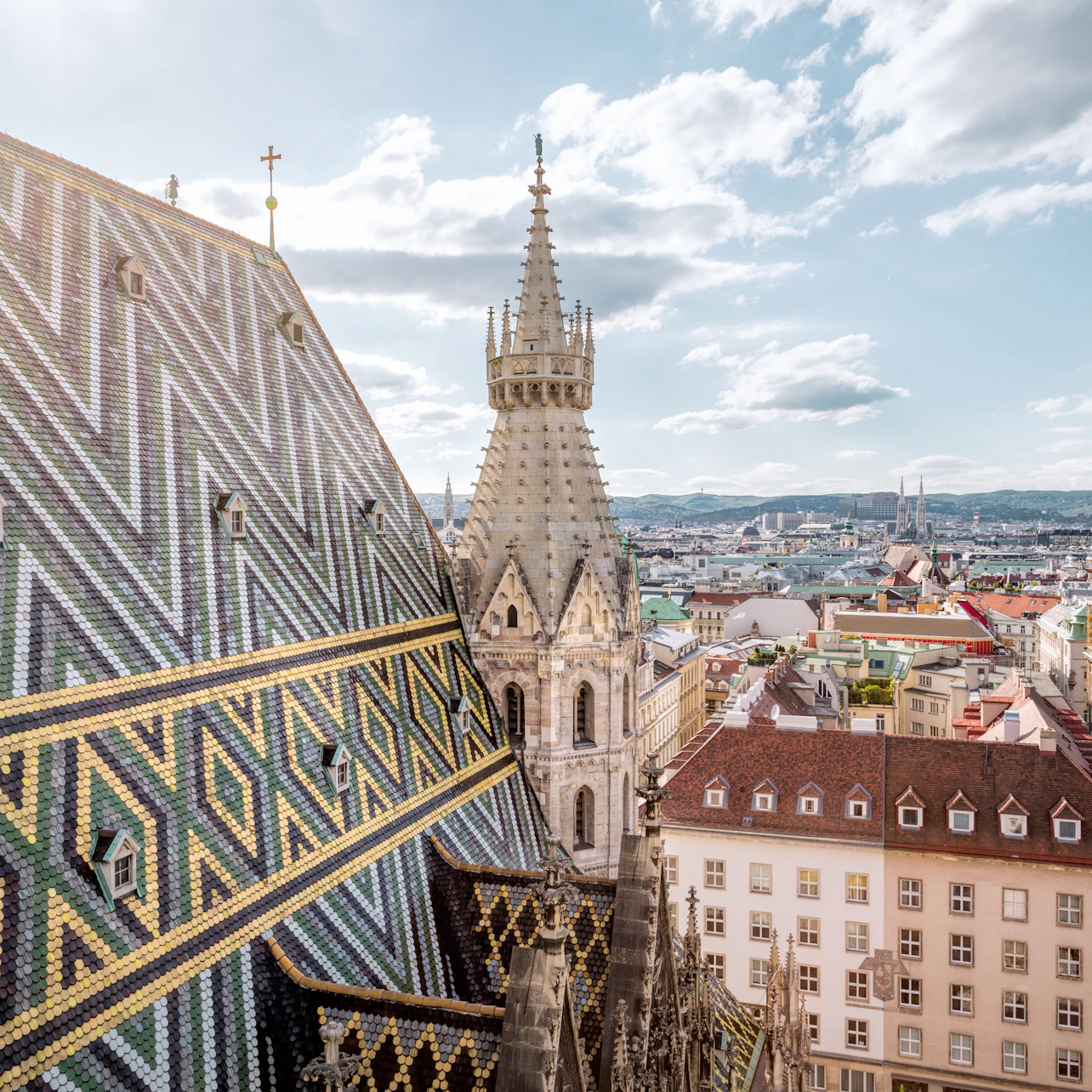
Katedra św. Szczepana – pakiet „All-Inclusive” oraz Muzeum Doma
2h
Od 29 €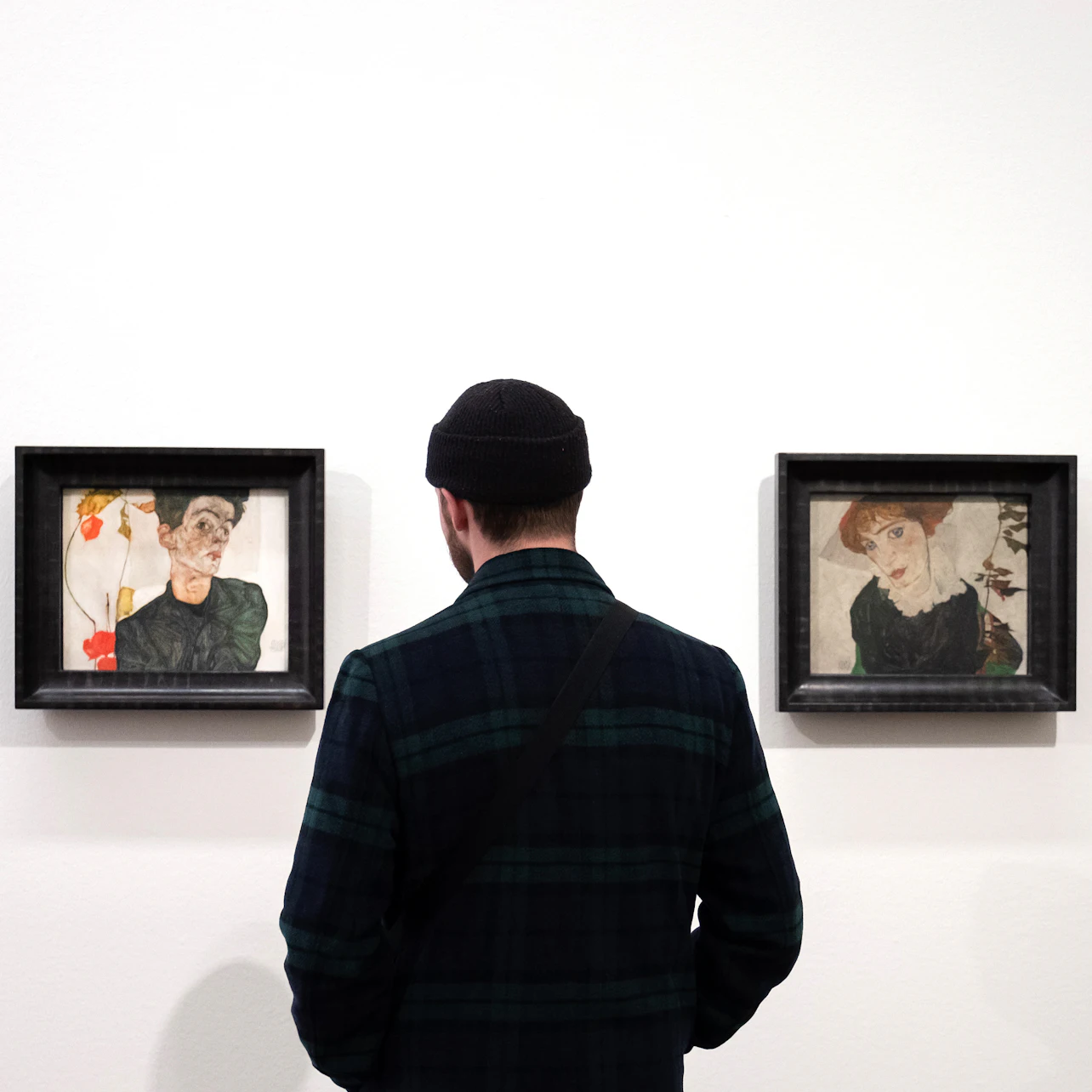
Bilet z pominięciem kolejki do Muzeum Leopolda: Schiele i Klimt
Od 19 €
Bilet bez kolejki do Muzeum Techniki w Wiedniu
Od 18 €
Bilet bez kolejki do Wieży Dunajskiej w Wiedniu
Od 19,90 €
Bilet wstępu do Domu Muzyki w Wiedniu
Od 19 €
Wycieczka z przewodnikiem po Hiszpańskiej Szkole Jeździeckiej
1hBezpłatne anulowanie
Od 24 €From the grand boulevards of imperial Vienna to the snow-dusted peaks of the Tyrol, Austria blends Habsburg splendor, world-class music and postcard alpine scenery into one elegant package. This is the land of Mozart and Strauss, of Sachertorte and schnitzel, of baroque abbeys and glittering ski resorts.
Exploring with a local guide reveals the stories behind the palaces and the mountains, from the intrigues of the Habsburg court to the coffee-house rituals and alpine traditions that still shape everyday Austrian life.
O Austria
Vienna, the capital, is a treasure house of imperial grandeur: the Habsburgs' Schonbrunn and Hofburg palaces, St Stephen's Cathedral, the Ringstrasse, the Belvedere with Klimt's 'The Kiss', and a coffee-house culture recognized by UNESCO. West lies Salzburg, Mozart's baroque birthplace crowned by the Hohensalzburg Fortress and made famous by 'The Sound of Music'.
The Alps define western Austria: Innsbruck sits ringed by peaks in the Tyrol, a hub for skiing and mountaineering, while the lakes and villages of the Salzkammergut, including impossibly pretty Hallstatt, draw visitors year-round. Graz, the relaxed second city, boasts a UNESCO old town, and the terraced Wachau Valley along the Danube produces crisp Gruner Veltliner wines and apricots. Austrian cuisine is comforting and hearty: Wiener schnitzel, Tafelspitz boiled beef, Kaiserschmarrn shredded pancake, and cakes like Sachertorte and apple strudel.
Czego się spodziewać w Austria
Guided experiences in Austria range from polished city tours to expert alpine adventures, usually with a strong emphasis on history, music and craftsmanship. Small groups and knowledgeable, often multilingual guides are the norm.
- Walking and history tours of Vienna's Ringstrasse, palaces and Jewish heritage
- Music-themed experiences: Mozart's Salzburg, classical concerts and opera
- Alpine hiking, skiing and cable-car excursions in the Tyrol and Salzkammergut
- Danube and Wachau Valley wine tastings and river cruises
- Coffee-house, pastry and food tours with local specialties
Najlepszy czas na wizytę
May to September is ideal for cities, lakes and alpine hiking, with long, warm days and vibrant outdoor life. December to March transforms the Alps into a premier ski destination and fills city squares with atmospheric Christmas markets.
Spring and autumn are quieter and beautiful, with autumn adding vineyard color in the Wachau. Highlights include Vienna's New Year's Concert and ball season in winter and the Salzburg Festival of classical music and theater each summer.
Poruszanie się po mieście
Austria has one of Europe's best public transport systems. The state railway OBB runs fast, frequent and scenic trains linking Vienna, Salzburg, Innsbruck and Graz, with efficient regional services reaching alpine valleys. Vienna's integrated U-Bahn metro, trams and buses make the capital effortless to navigate.
For remote mountain areas a car adds flexibility, but many resorts are car-light and well served by ski shuttles and postbuses. Danube cruises and cable cars round out the options in scenic regions.
Najczęściej zadawane pytania
Vienna's imperial palaces and coffee houses are essential, as is Mozart's baroque Salzburg. For alpine scenery, head to Innsbruck and the Tyrol, the Salzkammergut lakes and Hallstatt, and add the Danube's Wachau wine valley if time allows.
May to September is best for cities, lakes and hiking, while December to March is prime ski season and Christmas market time. Spring and autumn are quieter and scenic, with autumn bringing vineyard color to the Wachau.
Three to four days is enough to enjoy Vienna, or a week to combine Vienna and Salzburg. With 10 to 14 days you can add the Tyrolean Alps, the Salzkammergut lakes and the Danube valley at a comfortable pace.
Austria is in the Schengen Area, so citizens of the EU, UK, US, Canada, Australia and many other countries can visit visa-free for up to 90 days in any 180-day period. Confirm current entry rules, including any ETIAS requirement, before traveling.
The official language is German, spoken in a distinctive Austrian dialect, and English is widely understood in cities and tourist areas. The currency is the euro (EUR).